
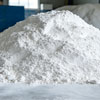
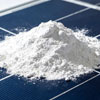
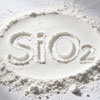
In high-temperature industrial environments, a furnace coating is more than a simple layer of paint. It is a thermal barrier, an oxidation shield, and a structural protector for metal substrates operating under extreme heat, thermal cycling, and aggressive flue gas conditions. For furnace owners and maintenance teams, the real performance difference often comes down to one critical ingredient: the functional powder used in the high-temperature coating system.
Why Functional Powder Matters in Furnace Coatings
A high-temperature coating must perform under conditions that would cause ordinary coatings to fail rapidly. Furnace walls, pipes, valves, and heat exchanger surfaces are repeatedly exposed to elevated temperatures, thermal shock, oxidation, and chemical attack. Without the right powder technology, even a thick coating can crack, blister, delaminate, or lose its insulating effect after only a short period of service.
Functional powders are specially designed to improve one or more coating properties. Depending on the formulation, they can enhance thermal stability, reduce heat transfer, improve resistance to oxidation and corrosion, increase adhesion to metal substrates, and help the coating withstand repeated heating and cooling cycles.
In practice, selecting the wrong powder does not just reduce performance—it can also increase maintenance frequency, shorten equipment service life, and raise energy consumption due to reduced thermal efficiency.

Key Functions of High-Temperature Coating Powders
When evaluating functional powders for furnace coatings, it is important to look beyond general temperature resistance. A good powder system should address multiple failure modes at the same time.
1. Thermal Barrier Performance
One of the most important roles is thermal barrier capability. The right functional powder helps create a stable insulating layer that reduces heat transfer through the coating. This is especially valuable for furnace exteriors, hot pipes, and equipment surfaces where heat loss control and personnel safety are important.
A high-quality thermal barrier powder should maintain its performance at continuous operating temperatures, resist sintering or melting under peak conditions, and form a relatively low-thermal-conductivity layer that protects both the substrate and surrounding equipment.
2. Oxidation and Corrosion Resistance
At high temperatures, metal surfaces become more vulnerable to oxidation. Oxygen in the air, combined with heat, accelerates the formation of metal oxides, weakens the substrate, and can cause coating failure. In furnaces, this problem is often made worse by flue gases, moisture, and occasional chemical impurities.
Functional powders designed for oxidation resistance form a dense, stable barrier on the metal surface. They reduce direct contact between oxygen and the substrate, helping to slow down high-temperature oxidation and extend the service life of furnace components.
3. Thermal Shock Stability
Furnaces do not always operate at a steady temperature. Start-up, shutdown, load changes, and emergency stops can cause rapid temperature fluctuations. These changes create expansion and contraction stresses in both the metal substrate and the coating.
If the functional powder system has poor thermal shock resistance, the coating may develop microcracks, lose adhesion, or peel away from the surface. The best powders in this category help the coating flexibly adapt to temperature changes while maintaining a continuous protective film.
4. Adhesion and Cohesion Strength
A high-temperature coating can only work if it stays attached to the substrate. Poor adhesion is often caused by insufficient powder compatibility, incorrect surface preparation, or inadequate binder-powder interaction.
Functional powders should support strong bonding between the coating and the metal surface. They should also contribute to internal cohesion within the film, so that the coating remains intact even under vibration, thermal stress, and minor mechanical impact.
5. Anti-Cracking and Durability
Cracking is one of the most visible signs of coating failure in high-temperature environments. Once cracks appear, heat, oxygen, and corrosive agents can reach the substrate, leading to further degradation.
The ideal functional powder helps reduce cracking by improving the coating’s flexibility, thermal expansion compatibility, and overall structural integrity. Instead of forming a brittle layer that fails under stress, a well-formulated powder system creates a tough, durable film that lasts through repeated thermal cycles.

How to Choose the Right Functional Powder
Selecting a high-temperature coating powder for furnace applications requires a balanced approach. The highest temperature rating alone does not guarantee the best performance. Maintenance teams should match the powder’s properties to the actual operating conditions of the equipment.
Evaluate Operating Temperature
First, confirm the continuous operating temperature and peak temperature of the furnace surface. Different powders are formulated for different temperature ranges. Choosing a powder that cannot withstand the actual service temperature will lead to premature failure.
Consider Thermal Cycling Frequency
Furnaces that frequently start up and shut down need coatings with excellent thermal shock stability. In these cases, the functional powder should offer good resistance to expansion and contraction stress. A coating that works well under constant high temperature may still fail under cyclic conditions.
Match Powder to Substrate Condition
The condition of the metal substrate also affects powder selection. New, clean metal surfaces may offer good adhesion, while aged, oxidized, or repaired surfaces may require better bonding strength and corrosion resistance. In some cases, a compatible primer or sealer should be used before applying the topcoat.
Look for Balanced Performance
Avoid selecting powders based on a single property. A good high-temperature coating system needs balanced performance: heat resistance, adhesion, flexibility, oxidation resistance, and durability. Overemphasizing one property may weaken another.
Verify Through Application Data
Whenever possible, review real application data, coating test reports, and case histories. Laboratory data is important, but field performance under actual furnace operating conditions provides the most reliable indication of long-term stability.

Conclusion
Functional powders are the hidden core of high-temperature furnace coating performance. They determine how effectively the coating resists heat, oxidation, thermal shock, and mechanical stress over time.
For industrial furnaces, the goal is not simply to apply a coating, but to create a reliable protective system that reduces maintenance, extends equipment life, and improves thermal efficiency. By carefully selecting functional powders based on operating temperature, thermal cycling, substrate condition, and balanced performance, maintenance teams can achieve far more durable results under extreme high-temperature conditions.


