



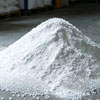
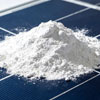

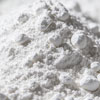
Ever picked up a can of white paint or a white plastic part and wondered where the whiteness comes from?
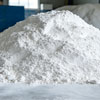
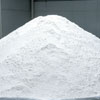
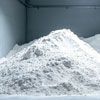
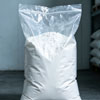
It's not just pigment. In many cases, a large portion of the product is made up of inorganic filler powders—fine white particles, usually just a few microns in size, derived from minerals or chemical synthesis.

Common Types Include:
Barium sulfate – High density, excellent X-ray shielding, and chemical stability. Often used in primer coatings.
Calcium carbonate – Abundant, low-cost, widely used in plastics, rubber, and architectural paints.
Kaolin – Plate-like structure that improves water resistance and gloss in coatings.
Talc – Smooth texture, popular in rubber and plastic products.
Functional composite powders – Modified to deliver multiple benefits in one material.
What Do These Fillers Actually Do?
They’re not just “fillers.” In modern material formulations, they play several key roles:
Improve opacity and whiteness – High-refractive-index fillers (like modified barium sulfate) help white paint cover surfaces effectively.
Increase hardness and wear resistance – Adding fillers to engineering plastics boosts surface durability and reduces friction.
Lower cost – Replacing expensive resins with low-cost, low-density fillers helps control production costs without sacrificing performance.
Enhance functionality – Surface-modified fillers can add properties like flame retardancy, thermal conductivity, matting, or toughness.

Why “Eco-Friendly” Matters More Than Ever
In the past, buyers focused mainly on whiteness and price. Not anymore.
Domestic regulations – In China, the Ministry of Ecology and Environment enforces strict limits on dust emissions, wastewater, and heavy metal residues.
Export barriers – Products sold in Europe and the U.S. must comply with REACH and RoHS, which restrict lead, cadmium, mercury, and other hazardous substances.
Brand pressure – Major brands now require suppliers to provide environmental certifications and test reports.
Choosing compliant, eco-friendly inorganic fillers is the first step for manufacturers to avoid regulatory risks.

In Summary
Inorganic eco-friendly fillers are among the most widely used yet least noticed materials in modern manufacturing. As environmental regulations tighten and supply chain compliance becomes a priority, material selection has shifted from “good enough” to “safe and right.”
This change is affecting every purchasing decision in industries that rely on coatings, inks, and plastics.
Got questions? Drop a comment or follow us for more technical insights.


